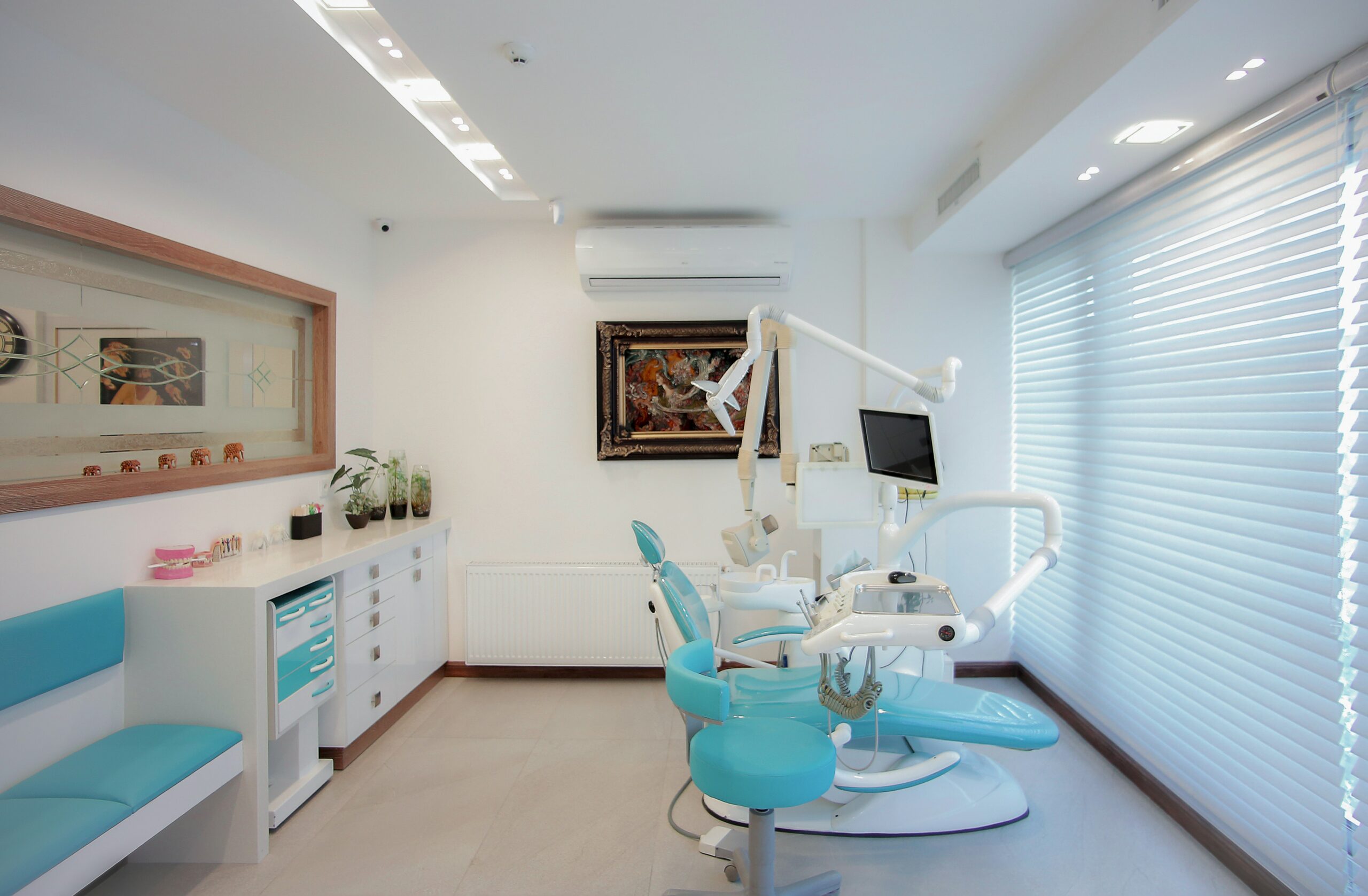
Imagine a financial advisor reviewing your portfolio, not of stocks and bonds, but of your long-term health capital. They point to a line item often overlooked: your oral health. For decades, dental care was viewed as a reactive cost—a filling here, a root canal there—a series of unpredictable expenses eroding your financial well-being. But as we move through 2026, a profound shift is underway. The frontier of dentistry is no longer defined by sophisticated repairs, but by predictive, personalized, and preemptive interventions. This new era of preventive dental technology is not just preserving smiles; it’s acting as a powerful, yet silent, fiduciary for your entire health budget, delivering compounding returns that extend far beyond the mouth.

The New Economics of Prevention: From Cost Center to Strategic Investment
The traditional model was simple: pain leads to a visit, which leads to a procedure, which leads to a bill. This cycle turns dental health into a volatile cost center. The contemporary paradigm, powered by a suite of advanced technologies, reframes proactive care as a strategic capital allocation. By front-loading investment in these technologies, individuals and families are effectively mitigating six-figure long-term liabilities linked to complex restorative work, systemic health complications, and lost productivity.
Consider the data: The American Dental Association has long estimated that every dollar spent on prevention can save between $8 and $50 in future restorative and emergency costs. In 2026, with more precise tools, that return on investment (ROI) calculation has become exponentially more compelling and personalized.
Core Technologies Driving the Fiscal Transformation
Several key innovations have moved from boutique premier dental clinics to mainstream practice, becoming the bedrock of this financial defense strategy.
AI-Powered Predictive Analytics & Risk Stratification
Gone are the days of generic advice to “floss more.” Modern practices now employ AI-driven diagnostic software that integrates data from high-resolution scans, salivary biomarkers, and genetic susceptibility tests. This creates a dynamic, individual risk profile. “We can now forecast a patient’s probability of developing a cavity in a specific tooth quadrant over the next 18 months with over 90% accuracy,” explains Dr. Anya Sharma, a prosthodontist and tech integrator at a leading preventive dental health center. “This allows us to deploy targeted, cost-effective interventions—like specific prescription-strength fluoride treatments or sealants—exactly where they are needed, transforming care from a blanket approach to a precision strike.”
Advanced Biomimetic Materials for Early Intervention
The materials science revolution has yielded a new class of biomimetic restorative materials that mimic natural tooth structure. Their true economic impact lies in minimally invasive applications. Early demineralization (the precursor to a cavity) can now be treated with resin infiltrants that halt decay without drilling. This preserves natural tooth structure, which is the single most valuable asset in oral health. Preserving a tooth from a small filling today prevents the future need for a crown, a possible root canal, or an implant—a cost escalation from hundreds to thousands of dollars.
At-Home Connected Diagnostics & Teledentistry
Compliance is the linchpin of prevention. The market for smart electric toothbrushes with AI feedback and connected intraoral cameras has matured. These devices provide real-time coaching and capture data that can be securely shared with your dental team for remote monitoring. This creates a continuous care loop, catching issues like gingival inflammation or early wear patterns before they require expensive office-based treatment. Subscription-based teledentistry consultations further reduce overhead by providing professional guidance for minor concerns, preventing them from blossoming into clinical emergencies.
The Systemic Health Dividend: Where the Real Budget Savings Are Found
The most significant long-term impact on your health budget may not be dental-specific. A robust body of research in 2026 continues to cement the oral-systemic link. Chronic oral inflammation from periodontal disease is a known contributor to the pathogenesis of cardiovascular disease, diabetes complications, adverse pregnancy outcomes, and even certain cancers.
Investing in advanced preventive care—such as periodontal laser therapy to manage gum disease at a microbial level or salivary diagnostics that screen for systemic inflammatory markers—acts as a downstream cost-avoidance strategy for your entire medical portfolio. Reducing the bacterial load and inflammatory mediators in the mouth can lower the risk and management cost of these associated conditions. In essence, premium dental prevention becomes a form of highly targeted, preemptive internal medicine.
Practical Capital Allocation: Building Your Preventive Tech Stack
How does a savvy individual allocate capital towards this new model? It requires a shift from transactional thinking to a portfolio management approach.
- Audit Your Current Dental Plan: Does your insurance incentivize preventive care? Many 2026-era premium dental insurance plans now offer enhanced coverage for biannual cleanings that include AI caries detection analysis and periodontal pathogen testing. Consider upgrading to a plan that covers these services.
- Invest in Home-Based Technology: Allocate funds for a smart sonic toothbrush and a water flosser with pressure sensors. View these not as consumer electronics, but as essential health monitoring tools with a high ROI.
- Seek Out a Tech-Forward Provider: When selecting a dentist, interview them on their preventive technology stack. Do they offer digital smile design software for preventive wear analysis? Do they use diode lasers for bacterial reduction? Your choice of provider is your choice of fund manager for this health asset class.
- Pre-Pay for Preventive Care: Many practices offer annual or biannual preventive care membership plans. These cap your predictable costs and often include the latest screening technologies, providing budget certainty and ensuring consistent engagement.
The 2030 Outlook: Personalized Microbiome Management and Beyond
The trajectory points toward even greater personalization and integration. The next frontier is personalized oral probiotic regimens and phage therapy designed to correct an individual’s unique oral microbiome imbalance before disease manifests. Furthermore, integration with wearable health data (like continuous glucose monitors) will allow dental professionals to provide dietary advice correlated in real-time with oral pH changes, targeting cavity risk at its metabolic source.
The financial implication is clear: the future of dental spending is moving from large, irregular, reactive outlays to smaller, predictable, proactive investments. The capital preserved is not merely dental; it is health capital that can be reallocated to wellness, education, or retirement.
Key Takeaways for the Astute Health Investor
- Prevention is Now Predictive: Modern technology identifies risks before they become costly problems, enabling precise, lower-cost interventions.
- The ROI is Systemic: Savings from advanced preventive dentistry extend to reduced future costs for heart disease, diabetes management, and other inflammatory conditions.
- Your Provider is Your Partner: Choose a dental practice that functions as a preventive health partner, equipped with AI diagnostics, biomimetic materials, and teledentistry capabilities.
- Reallocate Your Health Budget: Shift spending from emergency reserves to scheduled investments in preventive technology, both in-office and at-home.
In conclusion, the narrative of dental care as a painful, unpredictable expense is obsolete. The sophisticated preventive technologies of 2026 have transformed the mouth into a dashboard for overall health and a cornerstone of sound financial planning for your well-being. By embracing this model, you are not just buying a cleaning or a scan; you are acquiring a long-term hedge against medical inflation and securing a dividend paid in health, vitality, and preserved capital for decades to come. The most profound financial decisions for your future health are no longer made solely in a broker’s office; they are made, quite literally, with your mouth open.
Photo Credits
Photo by Benyamin Bohlouli on Unsplash

Leave a Reply