The Modern Calculus of Bundling: Beyond the 15% Discount
Gone are the days when bundling was a binary choice. The contemporary insurance market, driven by telematics, IoT home sensors, and genomic health data, allows for hyper-personalized pricing. The old promise of a flat discount has been replaced by dynamic, multi-policy algorithms that assess your total risk profile. As financial analyst and risk strategist, Dr. Anya Sharma, notes, “In 2026, bundling is a negotiation of data, not just policies. Insurers are now willing to offer their most competitive terms to clients who present a comprehensive, low-risk lifestyle picture across all domains—safe driving habits, a well-maintained smart home, and proactive health management. The discount is merely the entry point; the real value lies in the integrated risk management and loss prevention services that come with a high-value, multi-line relationship.”

What are the true financial benefits of a multi-policy discount in 2026?
While savings remain compelling, they are now layered. Expect not just a premium reduction (which can range from 10-25% depending on the carrier and your profile) but also benefits like waived administrative fees, enhanced coverage limits at no extra cost, and single-deductible options for cross-policy events. For instance, a severe storm damaging both your home and car might trigger only one deductible under a premier bundled program. Furthermore, top-tier premier insurance providers are increasingly linking policyholder loyalty to benefits like premium forgiveness after a first claim or guaranteed renewal clauses, adding significant long-term stability to your financial planning.
Architecting Your Bundle: A Policy-by-Policy Strategy
Effective bundling is not about accepting a pre-packaged deal. It is about constructing a portfolio where each policy complements the others, eliminating gaps and redundancies. This requires a deliberate, component-first analysis.
Auto Insurance: The Telematics Foundation
Your auto policy is often the most data-rich component of a bundle. In 2026, usage-based insurance (UBI) via telematics devices or mobile apps is virtually standard for obtaining optimal rates. When bundling, insurers will heavily weight this data. A flawless driving record captured by your insurer’s app can become the linchpin for securing superior rates on your homeowners and even life policies, as it signals responsible behavior. Ask potential providers: “How does my telematics data influence the pricing and terms of my entire bundle, not just my auto premium?”
Homeowners Insurance: The Asset Anchor
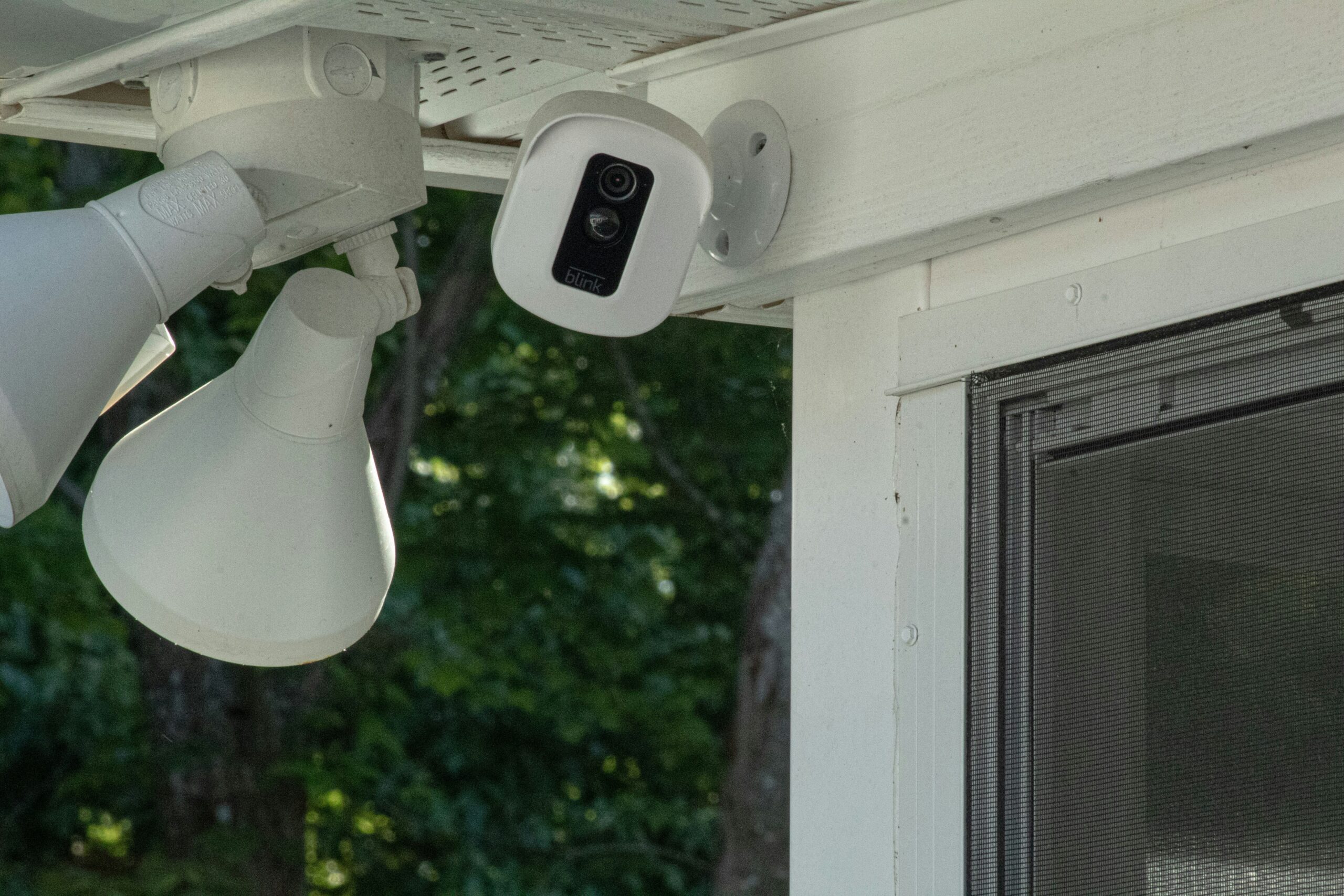
Your home is likely your largest physical asset, making this policy the anchor of your bundle. Modern bundling strategies integrate smart home monitoring systems—leak detectors, security cameras, and fire alarms that directly communicate with your insurer. Compliance with these protocols can lead to dramatic savings and proactive risk mitigation, such as dispatching a response team at the first sign of a water leak. When evaluating a bundle, scrutinize the insurer’s partnerships with local restoration and repair services. Do they have vetted, high-quality contractors for emergency home repair, or will you be left searching during a crisis?
Life Insurance: The Financial Keystone
Integrating life insurance into a property and casualty bundle is the mark of a truly strategic approach. In 2026, leading carriers offer seamless underwriting processes where medical information submitted for life insurance can streamline applications for other products. More importantly, look for bundles that allow for integrated financial planning consultations. The best providers facilitate connections with fiduciary advisors who can align your life insurance death benefit with your overall estate plan, mortgage protection strategy, and investment goals, ensuring the policy is a working asset within your broader financial architecture.
Navigating the Pitfalls: When Bundling Backfires
Bundling is not an unequivocal good. The primary risk is complacency—the “set it and forget it” mentality that leads to coverage gaps. A bundle from a subpar insurer is still a subpar portfolio. Key pitfalls include:
- Coverage Gaps for High-Value Items: Standard bundled packages may inadequately cover luxury vehicles, fine art, or jewelry. These often require scheduled personal property endorsements or separate valuable articles insurance policies.
- Inferior Claims Service: A discount means little if the insurer is notorious for slow or disputed claims. Research the company’s claims satisfaction ratings for each line of business.
- Loss of Competitive Leverage: Being locked into one provider can make you miss out on innovative products or sharper pricing from a specialist carrier in a specific area, such as a bespoke life insurance provider for complex estate needs.
The 2026 Buyer’s Checklist: Securing Your Optimal Bundle
To execute a savvy bundling strategy, approach the process with the diligence of a portfolio manager.
- Benchmark Individually First: Obtain standalone quotes for auto, home, and life insurance from top-rated carriers. This establishes your market baseline.
- Interrogate the Bundle Discount: Request a detailed, line-item breakdown of the bundled quote versus the standalone prices. Understand exactly where savings are applied.
- Audit Coverage Limits and Exclusions: Compare the fine print. Does the bundled home policy offer matching replacement cost? Does the auto policy include sufficient uninsured motorist coverage?
- Evaluate the Digital and Human Ecosystem: Test the insurer’s app for claims filing and policy management. Inquire about access to dedicated personal insurance concierge services or account managers.
- Plan for Decoupling: Understand the process and potential penalties for removing one policy from the bundle in the future. Flexibility is key.
The Future of Integrated Protection: 2026 and Beyond
The trajectory points toward even greater integration. We are seeing the emergence of subscription-based protection models, where a monthly fee covers a dynamic suite of insurance, cybersecurity, identity theft resolution, and even proactive home maintenance. Artificial intelligence will move from pricing to prediction, with insurers offering pre-emptive recommendations—suggesting you replace an aging roof before a storm hits, for example, and facilitating the service through their network of local certified home inspectors and contractors. The line between insurer, risk advisor, and lifestyle manager will continue to blur.
In conclusion, the strategic bundling of auto, home, and life insurance in 2026 is a powerful tool for the financially discerning. It transcends mere cost-saving to become a framework for comprehensive risk management and capital allocation. The most successful policyholders will be those who engage not as passive buyers, but as active architects—meticulously comparing, customizing, and regularly reviewing their portfolio to ensure it evolves in lockstep with their life and assets. In a world of uncertainty, a thoughtfully constructed insurance bundle is not just a purchase; it is the foundation of resilience.
Photo Credits
Photo by Mary Oakey on Unsplash

Leave a Reply