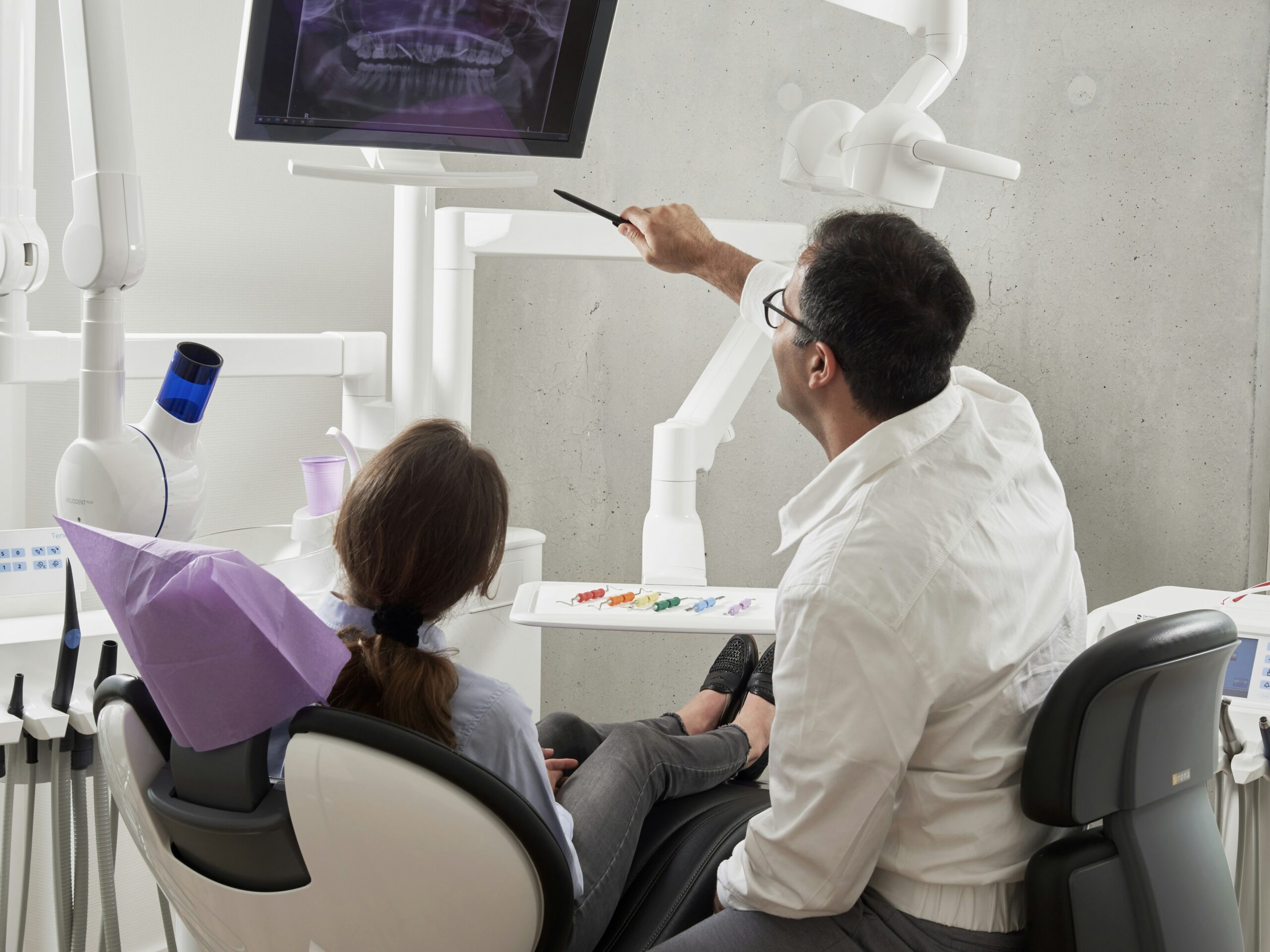
Imagine a dental visit where a precise, painless laser replaces the whirring drill, where a 3D-printed crown is designed and placed in a single appointment, and where your treatment plan is visualized on a screen with the clarity of a roadmap. This is not a glimpse into a distant future; it is the contemporary reality of modern dentistry. The archetype of the dentist has evolved from a practitioner wielding intimidating tools to a tech-savvy clinician leveraging cutting-edge technology to deliver care that is more accurate, less invasive, and profoundly personalized. In 2026, the integration of advanced digital systems, artificial intelligence, and biomimetic materials is not merely an upgrade—it is a fundamental reimagining of the patient experience and clinical outcome.

The Digital Diagnostic Revolution: Seeing the Unseen
The foundation of exceptional dental care is accurate diagnosis, and here, technology has been a game-changer. The era of grainy, two-dimensional X-rays that required guesswork is over.
AI-Powered Cone Beam Computed Tomography (CBCT)
Modern cone beam CT scanners provide stunning, three-dimensional volumetric images of the jaw, teeth, nerves, and sinuses in under a minute. In 2026, these devices are often integrated with artificial intelligence diagnostic software. This AI doesn’t replace the dentist but acts as a powerful co-pilot, instantly highlighting potential areas of concern—from the subtlest early-stage cavity interproximally to complex root fractures—that might escape the human eye. This means problems are identified at their inception, allowing for minimally invasive interventions.
Intraoral Scanners: The End of Goopy Impressions
The uncomfortable, gag-inducing traditional impression is a relic. Digital intraoral scanners are now the standard of care in progressive practices. A small, wand-like device captures millions of data points, creating a hyper-accurate digital model of your entire mouth in minutes. This model is the digital foundation for everything from Invisalign clear aligner therapy and same-day CAD/CAM crowns to the planning of full-arch dental implant reconstructions. The precision translates to better-fitting restorations and more predictable orthodontic results.
Precision Treatment: Minimally Invasive and Maximally Effective
With superior diagnostics comes the ability to execute treatments with unprecedented precision, preserving healthy tooth structure and improving comfort.
The Laser Dentistry Paradigm
Hard and soft tissue dental lasers have moved from niche to mainstream. For procedures like treating gum disease, performing biopsies, or preparing teeth for fillings, lasers offer a bloodless, often anesthesia-free alternative. They sterilize as they work, promote faster healing, and reduce postoperative pain. For cavity removal, advanced systems like the Solea laser can often treat decay without the need for a needle or drill, a monumental shift for anxious patients.
Robotic-Assisted Dental Implant Surgery
The pinnacle of precision in 2026 is robotic-assisted implant placement. Systems like Yomi or Neocis guide the surgeon in real-time, ensuring the implant is placed in the exact pre-planned position, angle, and depth derived from the CBCT scan. This minimizes surgical error, reduces trauma, and is critical for complex cases like full-mouth rehabilitation or placements in areas of dense anatomy. It represents the ultimate fusion of digital planning and physical execution.
Same-Day CAD/CAM Restorations
The “multiple appointment” crown is increasingly obsolete. CEREC and other chairside milling systems allow a tech-savvy dentist to design, mill, and cement a permanent, ceramic crown, inlay, or veneer in a single visit. Using the digital scan, the dentist designs the restoration on-screen, and a milling unit crafts it from a solid block of high-strength, aesthetically superior ceramic. This eliminates temporary crowns and a second appointment, a significant convenience and time-saving advancement.
Enhanced Patient Experience and Practice Management
The technological transformation extends beyond the operatory, streamlining every touchpoint of the patient journey.
3D Printing In-House
Beyond milling, in-office dental 3D printers are now commonplace. They are used to produce surgical guides for implant placement, highly accurate models for case planning, and even temporary crowns and dentures. This brings manufacturing in-house, reducing wait times for dental labs and giving the dentist complete control over the process.
Teledentistry and Virtual Consultations
Initial consultations, post-op check-ins, and minor follow-ups can often be handled via secure teledentistry platforms. Patients can share images or video, discuss concerns, and receive preliminary advice without taking time off work. This is particularly valuable for cosmetic dentistry smile design previews, where digital mock-ups can be shared and discussed remotely before any treatment begins.
Advanced Practice Management Software
Integrated software platforms now handle scheduling, billing, patient communication, and clinical notes while seamlessly syncing with diagnostic images and treatment plans. They facilitate automated recall reminders, digital forms, and secure messaging, creating a seamless, paperless experience that feels more like a premium service than a traditional medical appointment.
The Future is Personalized: Biomaterials and Predictive Care
The frontier of dental technology is moving toward biologically integrated and predictive solutions.
The materials used in restorations are becoming smarter and more biomimetic. Zirconia and lithium disilicate ceramics not only look incredibly natural but are strong enough to withstand the forces of chewing. Research into bioactive materials that can help remineralize tooth structure or integrate with the body’s own tissues is ongoing.
Furthermore, the aggregation of digital data—from scans to genetic markers of periodontal disease susceptibility—is paving the way for personalized preventive dentistry. Your care plan could be tailored not just to the current state of your mouth, but to a predictive model of your future oral health.
Choosing a Tech-Savvy Dental Practice: What to Look For
For the discerning patient, selecting a dentist who invests in modern technology is an investment in their own health. During your search for a premier cosmetic and restorative dentist, inquire about their technological capabilities. Key indicators include:
- Digital scanning instead of traditional impressions.
- The availability of cone beam CT imaging for complex procedures like dental implant placement.
- Offering laser dentistry treatments for gum care and restorative work.
- The ability to provide same-day crowns and other restorations.
- A consultation process that includes digital smile design and clear visual treatment plans.
These technologies often represent a significant capital allocation for the practice, signaling a commitment to continuing education and providing the highest standard of care.
Conclusion: A New Standard of Care
The integration of sophisticated technology into dentistry has irrevocably elevated the patient experience and clinical outcome. The modern, tech-savvy dentist is empowered to diagnose with superhuman accuracy, treat with gentle precision, and restore with aesthetic and functional excellence—all while minimizing discomfort and inconvenience. This evolution transcends mere gadgetry; it fosters a collaborative environment where patients are fully informed participants in their care, visualized through high-definition digital blueprints. In 2026, advanced dental technology is no longer a luxury offered by a select few; it is the defining characteristic of a practice dedicated to delivering exceptional, future-focused care. The question for patients is no longer whether to embrace this new paradigm, but how to find the clinician who leverages it most skillfully for their benefit.
Photo Credits
Photo by Caroline LM on Unsplash

Leave a Reply